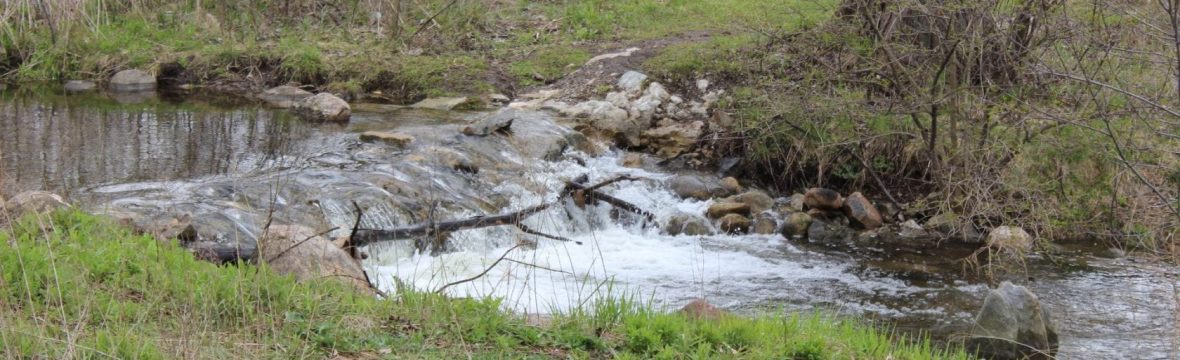
This summer, I am studying the impact of extreme weather events on the water quality of Ours Creek, an important tributary of the Hurons River. Located in Montérégie, the river is labelled as having a very bad water quality in the province of Québec. I am analyzing 44 different water quality parameters, including total dissolved phosphorus, trace metals, and isotopic signatures, to better understand contaminant transport mechanisms. One of the parameters I’m focusing on is the concentration of fecal coliforms in the water, which serves as an indicator of contamination from fecal matter such as manure and sewage.
Category: Data analysis
275 Samples and 276 Mosquito Bites
--by Thanuja Thavarasa Living organisms need a variety of nutrients in order to grow. For plants, nitrogen is an essential nutrient. Nitrogen, found in the form of nitrate (NO₃ˉ), is taken up through plant roots from the surrounding soil. Thus, we thought it would be interesting to explore the relationships between soil nitrate concentrations and… Continue reading 275 Samples and 276 Mosquito Bites
Flow variation within the Grand River Watershed: An explanatory exercise
-- by Aidan Doak Hydrologists and environmental scientists often look at river flow through time and focus their attention to the minimum, maximum and average values. These values are used to answer questions regarding dry and wet periods, which can lead to hydrological droughts or floods. Less often do we look at the variation of… Continue reading Flow variation within the Grand River Watershed: An explanatory exercise
 Ecohydrological Systems Laboratory - Laboratoire sur les systèmes écohydrologiques